
On the plate, a tortilla may seem almost insignificant. It’s thin, easy to fold, and usually disappears beneath the sandwich filling. The tortilla itself may be understated, but selecting one with a distinct nutritional profile can matter.
If you are looking at tortilla calories, a minimal energy value does not tell the whole story. The better question is how well a tortilla fits your nutritional priorities, preferred texture, and everyday recipes.
Why Tortilla Calorie Labels Deserve Attention
A quick search for “calories wrap tortilla” often brings up products with widely different nutritional values. Mission reports approximately 186 calories for a Wholemeal Wrap and around 125 for a Carb Balance wrap, showing the difference. These figures come from the manufacturer’s own nutritional information.
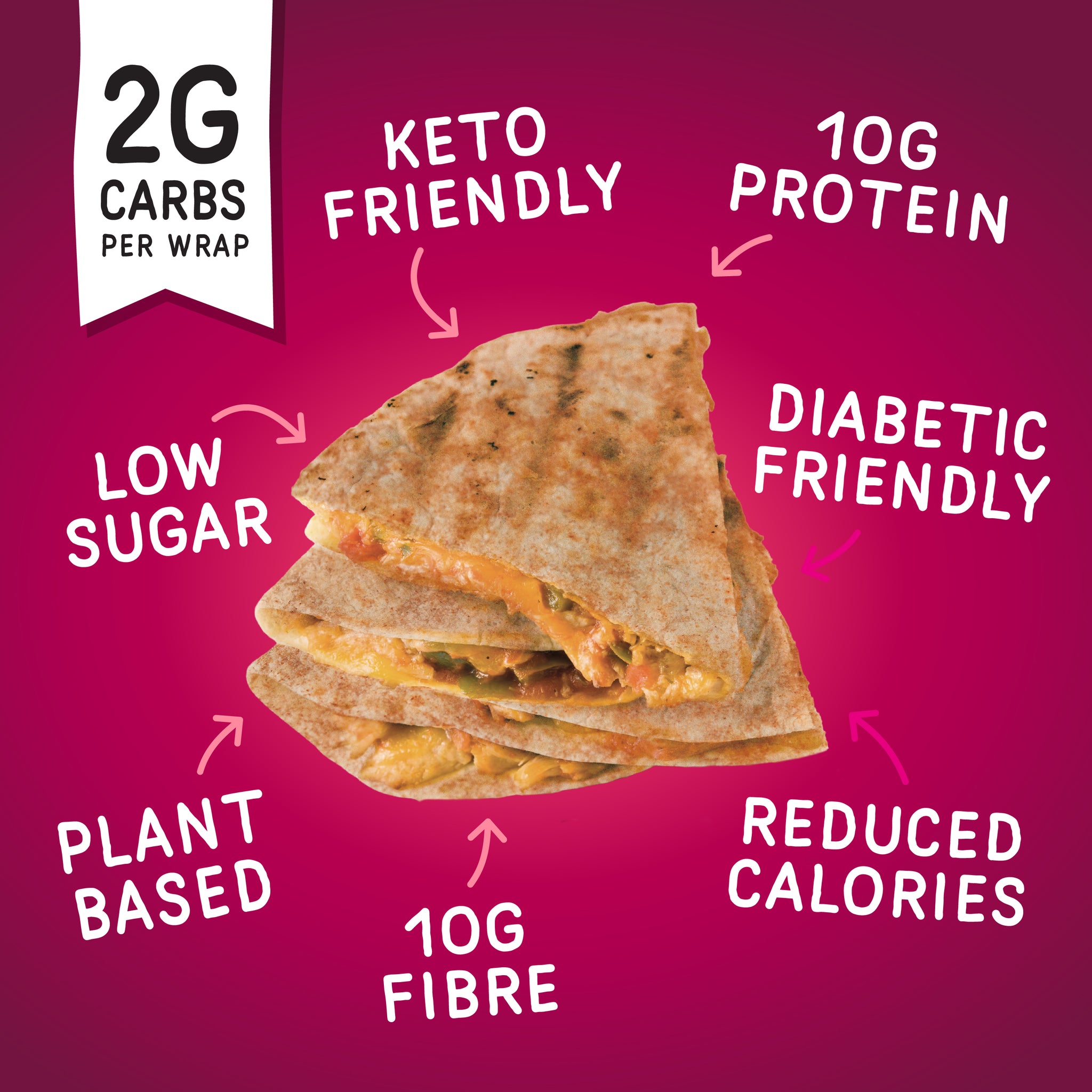
Image credit: fitbakes.co.uk
This example makes a case for looking at the specific wrap, in place of relying on general assumptions. Tortillas vary in weight and formulation, so appearance alone cannot tell you how many calories you’re eating. A tortilla with fewer carbohydrates does not automatically have the fewest calories.
How a distinct Tortilla Affects Your Lunch
Your usual wrap might contain cooked grilled chicken, roasted peppers, fresh salad leaves, and a spoonful of yoghurt dressing. Keep the wrap filling but choose a lower-carbohydrate wrap in place of the conventional one. The dish remains familiar, but the nutritional composition changes.
Fitbakes Wholegrain Wraps are formulated for this sort of meal flexibility. Fitbakes lists 2g carbohydrates, 10g protein, and 10g fibre for each wholegrain wrap.
For those aiming to eat fewer carbohydrates without abandoning bread-based lunches, those manufacturer figures may be useful. Check the full product nutrition label in place of assuming an exact calorie value.
Protein and Fibre Serve Different Purposes
Food labels often highlight protein and fibre side by side, although they contribute differently of nutrition. Protein is an important nutrient for the body’s normal tissue upkeep. Fibre supports digestive health and can help a prepared meal feel more satisfying. Because Fitbakes reports 10g protein and 10g fibre in each wrap, both figures deserve attention in a comparison.
Of course, the tortilla is only one element of your lunch. Vegetables and a suitable protein source produce a distinct meal from a filled wrap packed with heavy sauces.
A Better Way to Prepare Your Tortilla
You may influence the energy content in the final dish through how you prepare the wrap, without buying another tortilla. Dry-toasting a tortilla adds no cooking oil, whereas frying it in oil introduces more energy. The manufacturer recommends around 30 seconds of light toasting for its wholegrain wraps to bring out a deeper malty note.
A simple lunch could start with a warmed tortilla filled with cooked mushrooms, spinach, and a small amount of cheese. You could also serve it like a thin flatbread, adding herbs and tomato alongside roasted vegetables. These serving ideas keep preparation simple while giving you different ways to use the same wrap.
Why the Full Plate Matters
It’s easy to spend time comparing tortilla labels while overlooking what goes into the wrap.
Dressings, cheese, spreads, and cooking fats can all influence the total energy content. For anyone tracking calories, it makes more sense to look at the complete meal than to focus on the flatbread alone.
The sandwich filling’s carbohydrate contribution matters too if you are following a lower-carbohydrate plan. Looking at all the ingredients helps you understand the whole meal.
The Right Wrap Depends on Your Needs
The best calories wrap tortilla for you should be suited to your everyday cooking, aligned with your nutritional priorities, and enjoyable. For those seeking a plant-based, reduced-carbohydrate alternative, Fitbakes Wholegrain Wraps come with company-published protein and fibre values.
Check the serving size, allergen details, ingredient list, and full nutritional information before deciding. The most practical choice isn’t necessarily the tortilla with the fewest calories on its packaging. A better choice is a tortilla that makes it easier to assemble meals suited to your routine.