
A drainage system might appear fine during normal weather, but a heavy storm could reveal all the weaknesses in the infrastructure of a home. Parking lots flood. Detention ponds can overflow too fast. Access roads are risky. The lower areas start to build up water. In many of these instances the issue isn’t only rain. In a lot of cases, the problem is not simply rain.
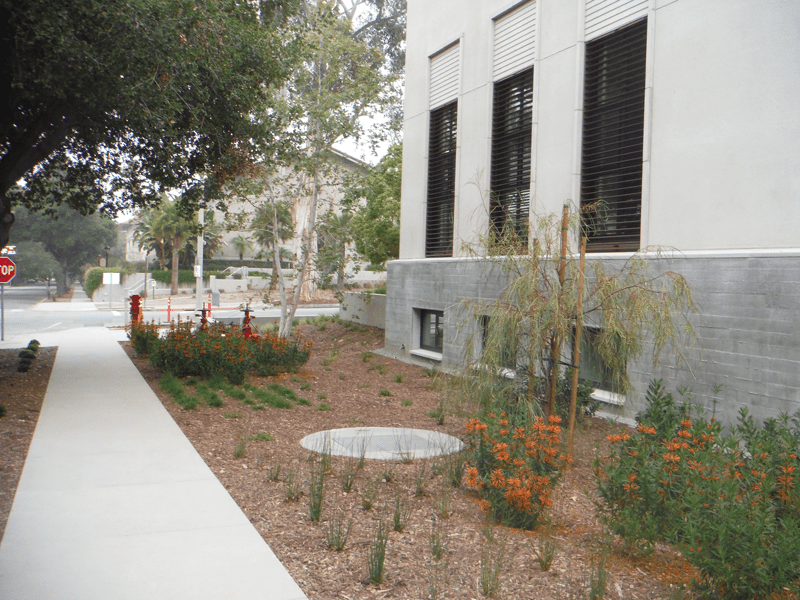
A stormwater lift station becomes essential. They are constructed to gather and drain water away from areas where rainwater naturally accumulates, thereby safeguarding buildings, roads utility lines, as well as outdoor spaces. Lift stations are a key component in any project, whether it’s industrial, municipal, commercial or residential. They are essential to keep a place operational during and after storms.
Stormwater management needs to be designed around the specific site
Each property is different in how it manages runoff. Retail parks with big parking lots are different from residential subdivisions. They do not have the same requirements as industrial sites or municipal drainage projects. Stormwater management systems are designed using a variety elements, including flows, elevations of the site, the detention requirements and discharge requirements.
Romtec Utilities does not approach stormwater pumps as a standard package. Each system is engineered according to the site’s pumping situation, whether that means controlling flooding, removing the pond of a detention system, directing the runoff from a property that is developed or supporting a bigger municipal drainage system. The most efficient solution will depend on the amount of water that must move and how fast.
A stormwater runoff pump station goes further than a simple pump that sits in a vault
A reliable stormwater runoff pump station requires far more than just high-powered machinery. It is an integrated system of structural, electrical, mechanical, and control components in a seamless manner to handle stormwater volumes effectively and continuously. To ensure that the station performs effectively throughout its lifespan it is crucial that all critical factors work in perfect harmony. This includes precise pump sizing, precise wet-well design, modern controls, as well as robust pipes, a robust power system, real-time monitoring, and resilient pipes.
This level of total system integration is exactly why the most skilled stromwater designers stand out from the competition. A top-quality design does not only address a current water-related issue, it requires a proactive, long-term perspective. The top engineering practices take into account the ease of long-term maintenance as well as the changing demands of future sites, and peak operating efficiency. The entire system must be designed to stand up to the toughest real-world conditions and not rely on false assumptions.
This meticulous planning is equally vital whether you are managing flooding from torrential waters or designing high-pressure municipal networks like pumps for clean water where failure of the system is never an option. Romtec Utilities designs stormwater systems that are designed with these real-world realities in mind. They offer a variety of pumps that are specifically designed to meet the needs of different types of applications. These pumps come with documents, training, and startup help to ensure that the owner can manage the system.
Better planning creates better flood protection
A well-designed stormwater pumping facility can reduce flooding risk and improve the usability of the site and also protect property around it from damage caused by water. It can also make a place secure by ensuring that the runoff is addressed efficiently and quickly when major rain events occur.
It’s easy to overlook stormwater infrastructure until it breaks down. A sturdy stormwater liftstation is the most beneficial investment that a property owner or municipal entity can make to control runoff actively, rather than passively. With the right design and support, a robust stormwater management plan can make an area safer and more efficient, as well as more prepared for the demands of weather change.