
Color may be exactly right, but several hours in the wig reveals a problem with cap comfort. A natural-looking front is welcome, but another customer finds twenty minutes of morning lace adjustment impractical. For a third buyer, the visual appeal is not the issue. It is the unanticipated weight created by the wig’s density.
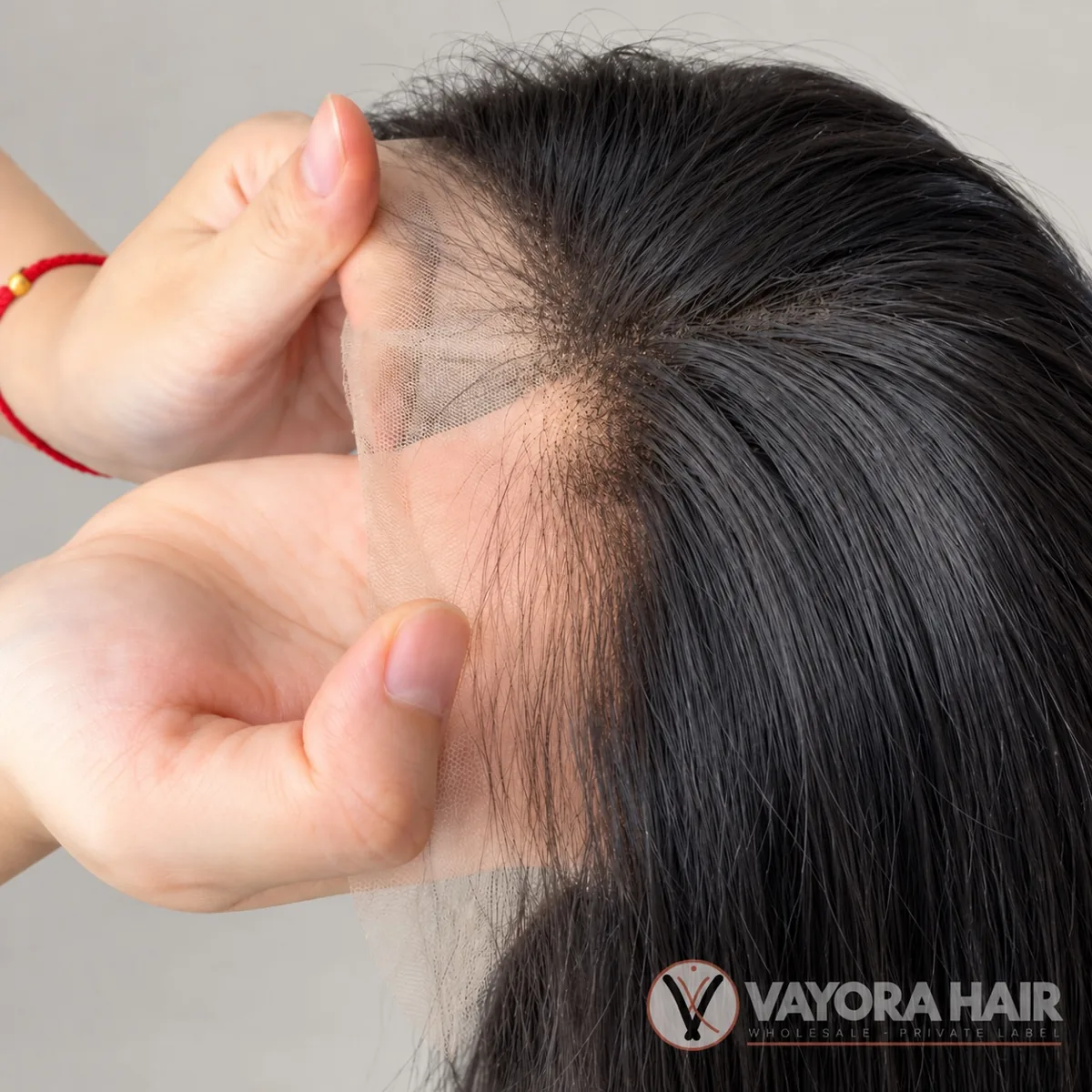
Image credit: vayorahair.com
There is more practical insight in these comments than a wig brand might initially see. They identify opportunities to create wigs customers take pleasure in wearing.
The newest viral hairstyle is not necessarily the basis of a successful wig collection. A collection should begin with an understanding of customer preferences and the experience they want when wearing the unit.
Pay Attention to the Sale
A customer’s explanation of a need is rarely expressed in manufacturing terms. The language customers use reflects practical priorities: comfort, convenience, appearance, and confidence. A glueless construction could be one response to feedback about making mornings easier. Complaints about an unnatural hairline could indicate that lace appearance, knot treatment, density, or parting design needs attention.
A human hair wig manufacturer China brands work with should be able to translate these everyday concerns into measurable product specifications.
Rather than specifying a 22-inch body-wave wig alone, a buyer can outline the experience intended for wearers, cap fit, lace construction, the look of the hairline, and finished weight. The product team benefits from having a clearer set of objectives.
Develop a Recognizable Private Label Collection
A common mistake for developing wig brands is to stock their catalogs according to whatever is popular at the time. Such an approach can leave the brand with a collection that closely resembles competitors’ offerings.
Working with a private label wig manufacturer China retailers can collaborate with allows brands to develop a more consistent product identity. A brand could focus on lightweight daily-wear wigs, premium natural-hairline designs, or ready-to-wear styles for customers who want minimal preparation. To keep the collection unified, align texture, length, color, density, cap construction, and packaging with one customer promise. When a range has a distinct identity, customers have a reason to return that goes beyond a short-term discount.
Look Beyond the Glueless Label
Although the word “glueless” seems simple, the experience of wearing the wig depends on a range of construction details. A fit that feels comfortable and secure depends on cap sizing, adjustment features, attachment components, lace preparation, and hairline design.
Before production starts, the glueless wig manufacturer China buyers select should help establish these construction requirements. For a range intended for first-time wearers, the priorities may include density that is easy to manage, pre-cut lace, and straightforward adjustments. A professional stylist’s collection might require different customization options. Neither approach is automatically better. The two approaches address the needs of different customer groups.
Why Sampling Supports a Brand’s Reputation
A product image cannot reveal all the characteristics of the wig. Does the cap fit properly? What is the hair movement like? Buyers also need to check whether the color meets expectations and the finished construction reflects the approved design. The sample stage creates an opportunity to notice inconsistencies ahead of a higher-volume purchase.
Repeat production makes documented specifications and quality-control procedures especially valuable for a wholesale human hair wigs supplier. Without clear references, a successful first batch may be difficult to reproduce consistently.
Design Your Collection for Future Growth
VAYORA works with B2B wig retailers, distributors, and brands to support product development, private label services, sampling, specification control, and workflows for repeated production. The approach relates customer expectations to the physical features that determine the wig’s appearance, fit, and feel.
Before expanding a catalog, brands should examine customer feedback, identify their strongest product opportunities, and establish clear approval standards. The next successful collection may not require more styles. It may require fewer compromises in the styles customers already want.