
The modern world is powered by coffee for many years. Coffee is the primary fuel source for long hours, meetings, deadlines, and mornings. When work becomes increasingly difficult and the distractions grow, people begin to wonder if their daily cup of coffee helps their focus or simply giving them short bursts of energy. Energy pouches and coffee are now hot topics of debate. This isn’t a “good against evil” debate, but rather a debate about consistency, control and performance in the cognitive realm.
Coffee: A Powerful Energy Source With Familiar Limits
It can accomplish a variety of tasks well. It’s a quick, calming experience and provides a sense of arousal. Coffee is a great choice for a quick task or breakfast start. The caffeine boost can bring an alertness and the routine itself can signal your brain it’s time to get moving.
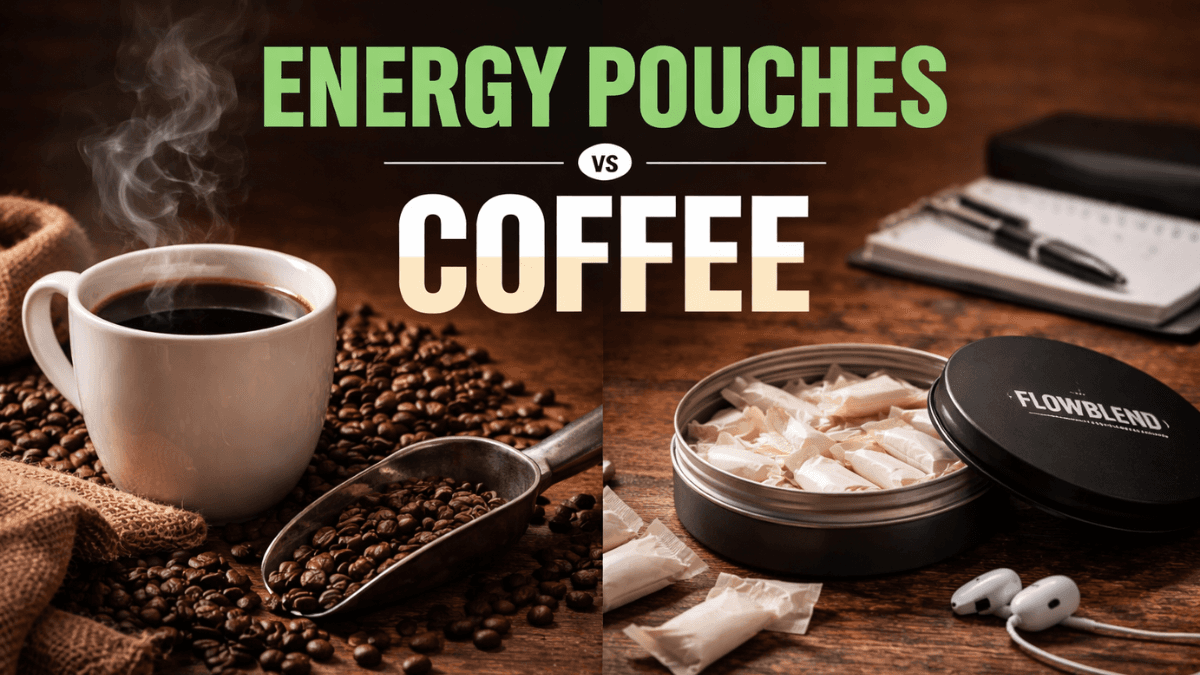
With repeated use the negative consequences become evident. Over time, tolerance builds quietly. It is not necessary anymore to use the same cup of coffee that used to be so potent. Along with that tolerance often are jitters and scattered concentration, and anxiety particularly in high-pressure situations. It is important to be aware of the time of day. Too much caffeine can disturb sleep and cause fatigue.
It’s not because coffee is “bad,” rather, because they are different and have different needs.
Energy Pouches are on the rise
The energy pouches were not designed to substitute coffee for. They were designed to address another issue, which is how to remain active and clear without overloading the nervous system. If you are comparing coffee and energy pouches, the major difference lies in how they are served.
Energy pouches usually contain lower amounts of caffeine, which are released slowly. They are designed to offer a smoother energy curve. This is the best approach for long work blocks or travel days as well as difficult jobs that require continuous attention.
Energy pouches are an excellent alternative for those who are sensitive to caffeine, or simply bored of the peaks and valleys. It’s not about feeling wired but instead staying calm.
Focus on the other hand. Stimulation
A popular misconception about caffeine is that it improves productivity. The words “focus” and “stimulation” are two different things. Coffee is excellent at stimulating. Focus however requires stability.
Energy pouches are often found to support longer focus windows because they help reduce the mental background noise that is associated with higher caffeine dosages. There are fewer jitters which means less interruptions to concentration. The requirement to “chase energy” throughout the day will be less when you experience less crash.
In today’s workplace, this distinction is becoming more crucial. In a world where tasks require continual problem-solving and more thought-provoking thinking, a smoother energy is an advantage.
Make a conscious decision
It’s important to be clear that coffee has its place. For quick activation, social occasions or any other time where you require a quick boost, coffee is the ideal tool. Energy pouches aren’t going to make your day easier.
The most significant benefit comes from an intentional decision. Instead of being a slave to routine individuals are beginning to adapt their energy source to their specific needs. Rapid energy and calm focus. A brief burst of energy against longer-term focus. Comfort versus control.
When viewed this way, coffee vs energy pouches isn’t a competition it’s a decision framework. Understanding how caffeine affects the body and mind will allow you use it strategically rather than reacted.
The smarter way to go
Conversations around caffeine are evolving as working hours get longer and the mental demands increase. Many are realizing that productivity isn’t about pushing harder, but about maintaining balance. You can opt to use energy pouches or coffee.
Modern coffee options are a great option for people who want to be able to focus more consistently as well as a less frequent and smoother focus. The most effective energy is one will help you achieve your goals, not one that is controlled by the goals.