
Pneumatic cylinders are essential components in modern industrial automation. They use compressed air to create linear motion, enabling machines to push, pull, lift, or position loads accurately. Found in manufacturing lines, packaging systems, automotive workshops, and food processing plants, these devices are valued for their simplicity, speed, and efficiency. Understanding the main types of pneumatic cylinders, their advantages, and how to protect them from damage helps businesses improve productivity while reducing long-term maintenance costs.
Types of Pneumatic Cylinders
Pneumatic cylinders come in many designs to match different working conditions and load requirements. A single-acting cylinder operates by using air pressure in one direction, while a spring or external force returns the piston to its original position. This design is commonly used in simple applications such as stamping, sorting, or light clamping tasks.
A more powerful option is the double-acting cylinder, which uses compressed air for both extension and retraction. This provides better control and higher performance, making it ideal for industrial automation where precision and speed matter. Compact cylinders are another popular choice, offering strong performance in smaller sizes for machines with limited space.
For systems that need long travel distances without using extended piston rods, rodless cylinders offer an efficient solution. The load is guided externally, while the internal piston remains protected inside the housing. Guided cylinders are built for stability, ensuring smooth motion in applications with side loads or high accuracy requirements. In advanced systems, multi-position cylinders allow machines to stop at preset locations, supporting complex movements with fewer components.
Benefits of Pneumatic Cylinders
One of the biggest advantages of pneumatic cylinders is speed. Compressed air allows rapid movement, which increases output in fast-paced production environments. Another benefit is clean operation. Unlike hydraulic systems, pneumatic devices operate without oil leaks, making them suitable for industries such as pharmaceuticals and food processing.
Cost efficiency is another major reason businesses prefer air-powered motion systems. Pneumatic cylinders are generally more affordable to install and maintain compared to electrical or hydraulic alternatives. Their simple mechanical design reduces the risk of failure, and replacement parts are widely available.
Safety is also a key advantage. Pneumatic systems work at lower pressures than hydraulics, reducing the likelihood of severe mechanical failures or fluid hazards. When overloaded, compressed air systems often absorb shock rather than transferring it to machine components, adding an extra layer of protection.
Protection and Maintenance
To keep pneumatic cylinders operating at peak performance, protection and routine maintenance are essential. Clean and dry air is the foundation of system health. Filtration systems remove dust and moisture, preventing premature wear on seals and internal surfaces.
Periodic inspection is equally important. Piston rods should be checked for scratches and misalignment, as external damage can lead to air leaks or reduced efficiency. Seals and connectors should be examined regularly and replaced before noticeable failure occurs.
Using the correct cylinder size also plays a protective role. Installing a unit that is too small for the load can cause excess wear, while oversized units waste energy. Selecting the right materials, such as stainless steel for corrosive environments, further extends product life.
In certain conditions, external protection like covers or guards helps prevent mechanical damage from debris or impact. While many modern cylinders are designed to operate with minimal lubrication, proper care as recommended by the manufacturer reduces friction and extends service life.
Working with the Right Manufacturer
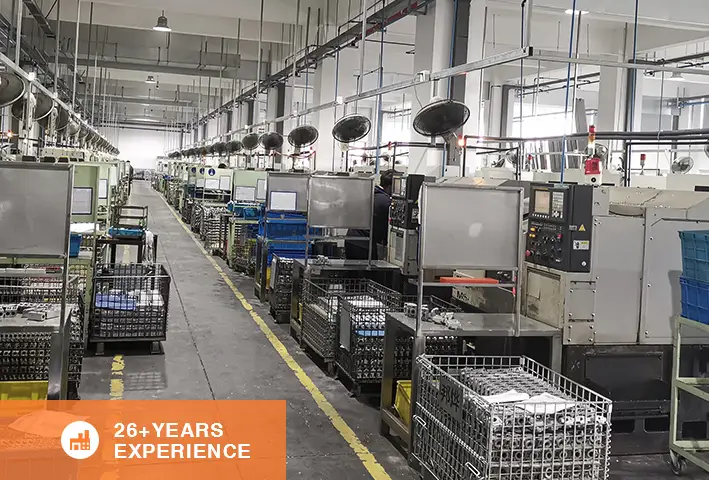
Choosing dependable pneumatic cylinder suppliers is just as important as selecting the right equipment. A trusted pneumatic cylinder manufacturer ensures consistent quality, customization options, and technical support. Titan Automation is a Top-quality pneumatic cylinder manufacturer and supplier, supporting industries with a complete range of pneumatic solutions. With advanced production facilities and strict quality control, companies like this help businesses maintain productivity and reliability.
Conclusion
Pneumatic cylinders remain critical to industrial progress due to their versatility, efficiency, and durable design. By understanding available types, appreciating operational benefits, and applying protection strategies, companies can build systems that run smoothly for years. With the support of reliable pneumatic cylinder suppliers and a skilled pneumatic cylinder manufacturer, businesses gain the confidence to scale operations while maintaining consistent performance and safety.