
The material you choose to use can be the difference between success and failure for woodworkers and DIY enthusiasts. Engineered wood boards such as MDF boards (Medium Density Fibreboard), Melamine sheets, or particle boards are an appealing alternative to solid wood. Knowing the distinct properties and the applications of each is crucial for getting stunning and practical outcomes.
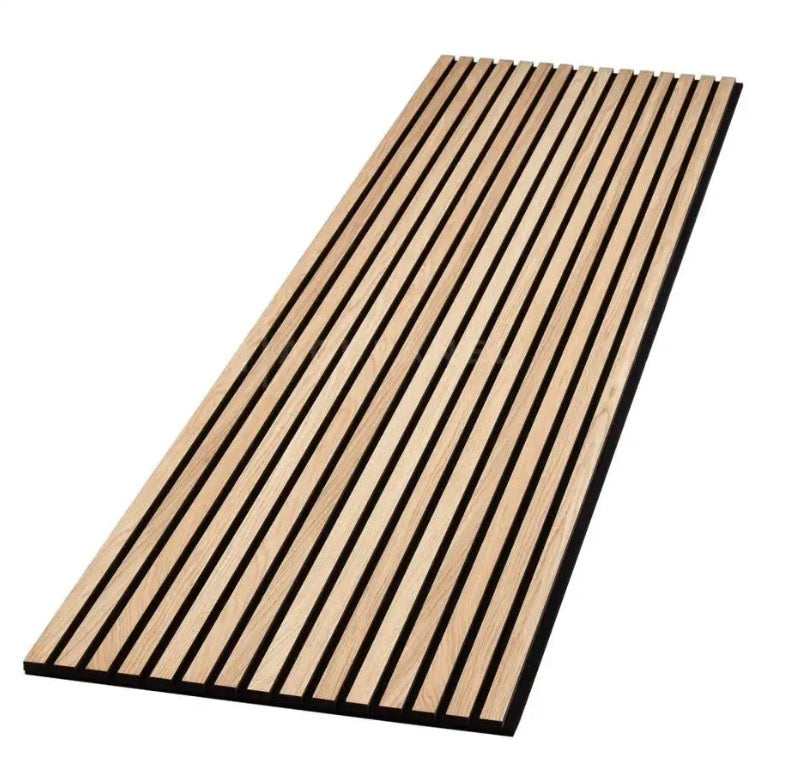
MDF Board – The King of Versatility and Smoothness
MDF boards are used as a standard in woodworking shops around the world. The smooth, uniform surface is easy to stain, paint, or even apply veneers. MDF boards are a lot more durable than solid wood, which makes them less prone to warp and crack. This predictable behavior is ideal for creating intricate carvings, moldings and for creating intricate architectural features.
MDF Boards Benefits
Smooth and flawless finishes The smooth surface permits the perfect application of paint, veneer, or laminate, which results in a professional-looking finish.
The ability to work: MDF boards are easy to cut, drill and rout, making them perfect for intricate designs and detailed projects.
Strength and durability: Despite a apparent vulnerability to moisture high-quality MDF boards are extremely strong and can withstand everyday wear and tear.
MDF boards are utilized for a variety of purposes such as making furniture to designing cabinets and even architectural elements.
Melamine Sheets The place where Durability Meets Fashion
Melamine sheets add a decorative touch to MDF boards. These sheets have a fine layer of melamine resin which is attached to the MDF core making a durable and visually appealing surface. The melamine surface comes in a wide range of colors and patterns. Contact at MDF Wood
Melamine Sheets are an excellent alternative to the traditional sheets.
Scratch and stain resistant: The melamine surface provides an exceptional level of resistance to staining and scratches. They are great in areas that experience many people, like kitchens and bathrooms.
Easy Maintenance: Melamine sheets require minimal upkeep. A simple wipe-down with a damp cloth keeps them looking fresh.
Melamine sheets offer a low-cost alternative to solid wood. They look just as attractive, however they’re also less expensive.
The range of Melamine Sheets is what makes them an perfect for residential and commercial projects.
Particle Board is a budget-friendly Alternative
While less well-known than MDF and Melamine, Particle Board is an excellent choice for projects in which the structural strength is more important than aesthetics. It is made of compressed wood particles and bonded with resin, this board can provide an acceptable level of toughness and durability.
Understanding Particle Board:
Cost-Effective : Particle board is the most affordable of three.
Particle board is a limited application Due to its rougher surface, and because it is more prone to moisture, particle board can be used in interior furniture components, or subflooring, in which aesthetics are not a factor.
Subject to Moisture: Particle board is susceptible to swelling and losing its structural integrity when exposed to moisture. It’s important to select types that are resistant to moisture for use in humid conditions.
Choosing the appropriate engineered wood panel:
Selecting the right engineered panel for your project will depend on its specific needs and requirements. Here’s a brief overview that will help you decide:
For smooth and flawless finishes, intricate designs, and overall flexibility: MDF boards are the most obvious choice.
Melamine sheets are the ideal option when toughness, scratch resistance, and a surface that is prefinished are vital.
For projects with a tight budget where structural integrity is a major aspect: Particle board may be an option.
The Future of Woodworking is Embracing Engineered Wood.
MDF boards, melamine sheets, and particle board present an array of possibilities for DIY enthusiasts and woodworkers. The versatility, affordability and reliability of their performance make them a valuable addition to every toolbox. Engineered wood solutions will continue to develop as technology progresses, expanding the possibilities of creativity for future woodworking.